
Tag Archive: chocolate covered fruit
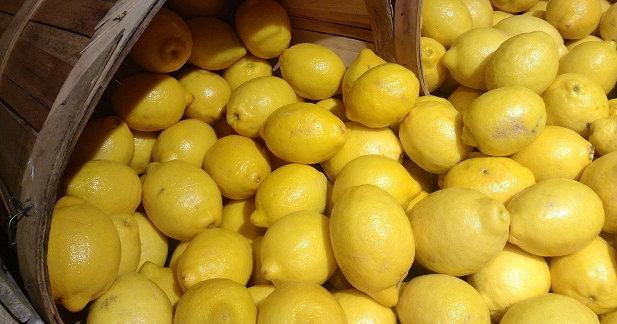
Dark Chocolate Covered Candied Lemon Peel and Lemon Wine
March 21, 2016
During a recent trip to a local winery, a couple of friends and I participated in a wine tasting.
I was deciding which wines to try when one in particular caught my attention; Lemon Wine. Intrigued, I asked for a tasting sample.
Strawberry and Chocolate
September 25, 2012
It is a nice fact that chocolates are numerous and come in different varieties and types. With many creative ideas and thoughts that people spend on creating these treats, you wouldn’t have a hard time looking for something to give to your sweet-toothed friend. In my opinion, this is really a good thing to ponder upon and a worthy topic to be talked about.
Chocolates are such a craved-for treat. Craving sweets is a natural trait among people. Unfortunately, it sometimes gets out of hand and people wonder what steps they can take to stop craving sweets. (If you're in this category, you're at the wrong website.)
Read more
South Australians Have Favoritisms
July 20, 2012
With the mere mention of chocolate, I could almost feel my mouth watering and my stomach rumbling. I may have exaggerated that a little bit, but you get the picture. I'm a self-proclaimed hopeless romantic, and chocolate never fails to sweep me of my feet. It's something I yearn for all the time, something I crave in the wee hours of the night. Give me chocolate and you're sure to make me giddy.
However, despite my mad affection toward chocolate, I cannot single out each and every one of them. You cannot blame me for loving anything and everything about chocolate. I guess it's safe to say that I'm not the only one in this. As a chocoholic, I am most certainly aware of some flavors, shapes, and manufacturers. There are different and unique ways of processing them into becoming chocolates oozing with delight. Pardon me for being obsessed and indecisive, but I just want all of them. Well, not all of them, but most of them.
Read more
Chocolate Covered Raisin Day
March 23, 2012
The craze about chocolate-covered raisins started in 1927 when Blumenthal Brothers Chocolate Company of Philadelphia first released these delectable treats. Nestle acquired then owner Ward-Johnston, the manufacturers of Raisinets, Bit-O-Honey, and Sno-Caps, just to name a few. Raisinets are made out of sun-ripened California raisins covered in Nestle milk and dark chocolate.
Raisinets have always been a hit to moviegoers. They pair it with popcorn, and they rave about the combination of sweet and salty taste. Some decades back, you could buy a box of Raisinets for a nickel. They used to sell Raisinets by weight from jars in candy stores. These days, you can get single serve pouches for on-the-go snacking, stand-up bags that are perfect for sharing, as well as theater concession boxes.
Read more
Strawberry Truffles
January 25, 2012
Truffles are the bomb. They never fail to give us the little pleasure we root for when it comes to chocolates. Below is a recipe for a strawberry truffle which is quite a variation to the conventional chocolate truffle.
Even at first sight, the heart-shaped silhouette of strawberry would give you a hint that it is good for you. They pack a lot of nutritional benefits like vitamin C, fiber, manganese, potassium, and also contain a great deal of antioxidant properties called polyphenols. Strawberries are free of sodium, fat, cholesterol, and are considered a low-calorie food.
Did you know that strawberry is a member of the rose family? Truth be told, it is not actually a real fruit or berry, but the enlarged receptacle of the flower. Interesting, eh?
Try this recipe if you plan on throwing a party, inviting people to come over to your house, or just because!
Read more
Chocolate-Covered Cherries
October 26, 2011
Chocolate covered cherries have been around for quite a stretch of time already, its origins can be traced back to the 19th century when the recipe was invented by some candy making companies. Many people have it as their favorite, not only because of the pleasure it gives to the palate, but also because of its many nutritional benefits.
Cherries are known for their important nutrients such as beta carotene (19 times more than blueberries or strawberries), magnesium, potassium, fiber, folate, iron and vitamin C. New studies have revealed that a cherry-enriched diet can lower cholesterol, total weight and body fat, especially along the midsection or more commonly known as ‘belly fat’.
The festive seasons are just around the corner and one of the best ways of showing your affection to your loved ones is through gifts. Give these treats and see the joy on their faces.
Read more
Chocolate Fondue
September 7, 2011
If you are looking to entertain people at a party or any gathering, you need not crack some jokes or break dance in front of a crowd.
Nowadays, chocolate fondues are all the rage, even spicing up an otherwise boring party. Most people swear by chocolates, and what better way to serve it than have it smeared all over other yummy food.
Fondues make a great dip for fruits, shortbread cookies, marshmallows, and even salty snacks such as pretzels. There are endless options for what to dunk into this amusing, warm chocolate sauce. For parties with adult guests, you can even add a splash of a fruit flavored liqueur for that extra kick.
Read more
Chocolate Dipped Strawberries and Champagne
February 17, 2011
When you put a fresh strawberry into the bottom of a champagne glass and then pour the champagne, just watch the bubbles fly off the strawberry at a record rate of speed!
The strawberry gives more surface area from which to produce bubbles. For this reason alone, a strawberry in champagne is very romantic. And let’s not forget that a champagne soaked strawberry is oh-so-delicious!
 Personally, I prefer the strawberry on the side, covered in rich, dark chocolate!
Read more
Rocky Mountain Orange Peel
November 22, 2010
The Rocky Mountain Chocolate Factory is an international retail franchisor of chocolates and confectionery products. 21 years ago a man named Frank Crail started the company in the old-west town of Durango, Colorado.
I recently tried their version of chocolate-covered candied orange peel. Chocolate-covered orange peel is one of my favorite chocolates, and I like to try various recipes from chocolate shops around the globe.
Read more
Caramel Apples Rolled in Chocolate and Nuts
October 9, 2010
Sure, apples are delicious all by themselves, but dip them in caramel and cover them with chocolate, nuts (and anything else you can think of), and they become extraordinary!
This recipe uses chocolate chips and pistachios for an exciting taste sensation.
| Caramel Apples Rolled in Chocolate and Nuts • 6 apples (works best with cold apples) • 6 ice cream sticks • 1 package (14 ounces) creamy caramels • 2 tablespoons water • 3/4 cup pistachios, chopped • 12 ounces semi-sweet mini chocolate chips Read more |