
Chocolate University Online Blog
In 1890 Joseph Emile Hachez, originally from Belgium, established the Bremer Hachez Chocolade Company in Bremen, Germany.
In 1922, they began producing what would become their signature product, a chocolate autumn leaf called Brown Leaves.
Brown Leaves comes in either solid milk or dark chocolate or praline leaves filled with fine nougat. This traditional line of chocolates is only part of what they offer now.
I recently indulged in two varieties of Hachez chocolate, Cocoa d’Arriba Strawberry-Pepper and Edel Bitter-Sahne.
The Strawberry-Pepper is made with 77% cocoa from Ecuador and contains dried pieces of strawberry and spicy green peppercorns.
The strawberry flavor notes blend perfectly with the naturally fruity notes of Ecuadorian chocolate. The heat from the peppercorns is pleasant at the back of the throat
According to the company website, www.hachez.de, Hachez uses predominantly South American cocoa varieties for its chocolate.
My next adventure was tasting the Edel Bitter-Sahne bar. It is a creamy, dark-milk chocolate made with 43% cocoa. The texture is soft (maybe too soft) and it melts fast. The diary notes do not overpower the chocolate and by the end, the lingering blend of both flavors is satisfying.
Categories: chocolate review
Tags: Belgian chocolate, dark chocolate, Ecuadorian chocolate, flavors, milk chocolate
Peru is not known for growing cacao. It is better know for growing coca. The leaves of the coca plant are used in the production of cocaine. Coca is a much more profitable crop for farmers. Until now.
The San Martin region, after years of programs promoting cacao as an alternative crop to coca, recently won a prestigious award from the Salon du Chocolat in Paris for growing the most aromatic cacao beans.
La Orquidea is one company in Peru dedicated to growing cacao and producing aromatic, flavorful chocolates. They keep chocolate production near the fields of cacao and provide well paying jobs for women in Peru.
According to the La Orquidea website, http://www.peruvianchocolate.com/, Peruvian chocolate is high quality cacao grown in the Peruvian Amazon. The soil in this part of Peru imparts a variety of flavors that many other cacao growing countries don’t have.
They ferment and dry cacao beans and then transport a sort distance to their factory for processing. They select the most aromatic beans for their dark chocolate line because they know better beans mean better flavors.
Categories: chocolate in the news
Tags: aromas, fermentation, flavors
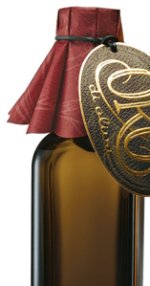
Chocolate and balsamic vinegar doesn’t sound like it would make a good couple, but I recently had a reason to try it. My sister gave me a bottle of Chocolate Balsamic Vinegar by Oro di Oliva for my birthday.
This unique vinegar makes an outstanding marinade for chicken or pork or pour it over fresh berries. On the Oro di Oliva label, it is suggested I drizzle it on ice cream – strange, but I’ll try it!
Tasting the chocolate balsamic vinegar straight, I detect a rich but basic chocolate flavor mixed with lots complex balsamic flavors. I am surprised by how well all these flavors work together.
Of course, the true test is making something and feeding it to the family. And the result?
I got compliments galore with this recipe!
Chocolate Balsamic Vinegar Truffles
8.5 ounces of your favorite dark chocolate, chopped
1/4 cup cream
2 teaspoons balsamic vinegar
1/2 cup cocoa powder, to coat truffles
(Instead of regular balsamic vinegar, I used the Chocolate Balsamic Vinegar by Oro di Oliva.)
Directions
In a small sauce pan, heat the cream over low heat until hot but not boiling. Put chopped chocolate into a small bowl, and pour hot cream over the chocolate. Let sit two minutes. Stir until chocolate is smooth and melted. Stir in the balsamic vinegar.
Cool the chocolate in the refrigerator for 1 hour or until firm but can still be easily formed into balls. It is critical to get the firmness correct and it will depend on the temperature of your refrigerator. Recheck every 15 to 30 minutes.
Place cocoa powder in a small shallow dish, like a pie dish. Use a teaspoon to scoop chocolate from bowl. Use your fingertips to shape into balls. Your body temperature will melt the chocolate and make it a little sticky, but do the best you can.
Roll the truffles around in the cocoa powder to coat, and set the chocolate balls on wax paper on a baking sheet. Serve the truffles right away or store in an airtight container in the refrigerator for up to 3 days. |
Categories: chocolate recipes, chocolate review
Tags: chocolate truffles, dark chocolate, flavors
Every chocolate shop I visit insists that their chocolate is the best quality, gourmet, premium. So, when talking about chocolate, what does “quality” mean exactly?
The U.S. FDA has produced formal standards of identity that legally define chocolate and all its related ingredients and by-products. But, read through all that and you will discover there is nothing that defines the “quality” of chocolate.
Of course there are standards of “Quality Assurance” within each processing step of making chocolate. These control standards start with the cocoa bean and follow through to the finished product. But following these rules means that pretty much any final chocolate available for purchase could be defined as being a “quality” chocolate.
So the real definition of quality in chocolate is pretty subjective, and it depends on who you talk to and what product you are referring to. Here’s an example… In this case let’s say you consider me your favorite chocolate guru (wow, it’s great you admit that!) and you ask me what I consider as quality in a truffle.
I would say that a quality chocolate truffle tastes fresh, is hand rolled or hand molded, and feels velvety smooth in my mouth. Mmm. But ask someone else and you may get a completely different answer.
And that’s just an answer for a truffle. I would not have the same quality factors when considering a solid chocolate bar.
Taking a look from a consumer prospective, there are some guidelines that indicate quality…
Flavor preferences aside, I believe every type of quality chocolate should include:
- a good appearance (gloss and sheen, no bloom)
- a clean snap (showing proper temper)
- an even melt (proper cocoa butter to cocoa solids ratio)
- expected flavor delivery (in other words, no off-flavors)
- if milk chocolate it should deliver milk and chocolate flavors
- if dark chocolate it should deliver components of the blended or single origin flavors
- satisfaction (I would buy it again)
For the most part, “quality” is a real good marketing term. Truly, any chocolate company can claim their products are high quality, gourmet, and/or premium. As long as there is an agreement among the customers that the chocolate meets their personal definitions of “high quality” then I suppose their claims can be true.
A good rule of thumb: quality chocolate is chocolate at its best.
Categories: chocolate education
Tags: chocolate appearance, chocolate shop, flavors
I dislike grocery shopping. Yet, once in a while, I do have brief feelings of enjoyment when I discover something unexpected.
During my most recent trip to the store I found myself downright giddy. My thrill came from a new addition in the candy/chocolate aisle – a line of chocolate bars from Valrhona. It was like finding gemstones among rocks.
Valrhona is known as a top leader in the world of chocolate, Le Grand Chocolat. They were founded in 1922 in France. They have a reputation for supplying the finest chocolate ingredients to restaurants, bakeries, and chocolate shops.
Their retail chocolate bars are made exclusively from Grand Cru chocolates. Grand Cru, usually used in reference to wine, is a term in the chocolate industry which means the cacao beans come from specific plantations famous for their distinctive flavor characteristics.
The bar I especially enjoy is the Grand Cru Manjari with Orange. This chocolate originates in Madagascar and offers “a fresh, acidic, sharp bouquet with red fruit notes.” The natural terroir, another adopted wine term, of this chocolate (fruity and tangy notes) blends nicely with the “citrus sweetness of orange comfit.”
Yes, it does taste as good as it sounds! I bought mine for $4.49 at the nearby Pick ‘N Save grocery store. The price is twice as much compared to the surrounding chocolate bars, but a bargain in my eyes. This is top of line deliciousness!
Shopping for groceries may not be so bad after all. Next time I go, I will reward myself with a Grand Cru Caraïbe with hazelnuts!
Categories: chocolate review
Tags: chocolate bars, chocolate companies, favorite chocolate, flavors, grocery product
Survey after survey shows chocolate as the number one flavor preferred by American adults. I admit to being one of those chocolate loving adults!
I’m a chocolate lover that never tires of chocolate as a gift, chocolate as a treat, and chocolate as part of my everyday diet. At the present, though, I am particularly fond of seeking out unique chocolate.
What do I mean by unique?
Unique can mean different things to different people but for me, unique chocolate is handcrafted, creative in design/presentation, and exotic in flavor. The chocolate truffle embodies all these characteristics for me. In my book, the chocolate truffle is the Queen of unique.
A key component of a chocolate truffle is the ganache center. Ganache is traditionally made from fresh dairy ingredients (usually heavy cream) and fine chocolate. That is the simple, classic truffle.
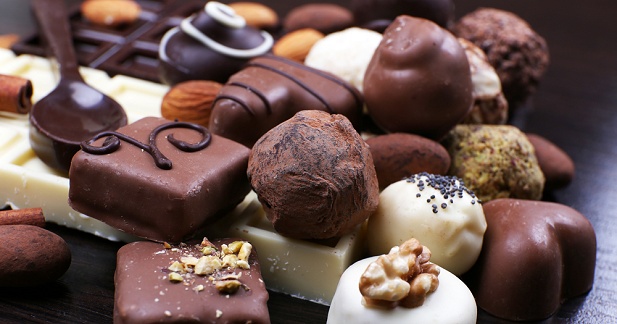
On the complex side, chocolate truffles can be made with every flavor or filling you can think of. The truffle is traditionally hand rolled and dusted in cocoa powder but other things like nuts, coconut, and candied fruit are used too. Some truffles are dipped in premium chocolate to form a thin, glossy coating.
A truffle is different from other chocolates, or bon bons, because of the heavy cream ganache and chocolate combination. (Just so you know, chocolates with nougat, caramel, nuts, or marzipan are considered bon bons.)
Truffles make a unique chocolate gift. You can purchase them from your favorite local chocolate shop or order from a website. Just make sure they are fresh when they’re delivered.
Do you like truffles too? What’s your favorite flavor? Please leave a comment for me. Then come back here to watch for more truffle information coming soon.
Categories: chocolate gifts
Tags: chocolate gifts, chocolate truffles, flavors
A few days ago I walked into my kitchen and saw my 12 year old daughter take out a bowl of melted milk chocolate from the microwave and dip a stick of string cheese into it. Yummy she crooned.
I was not so sure about that combination, but I tried it anyway. Actually, it was not bad.
Lately, I have been eating all sorts of chocolate and food pairings that I never thought I would enjoy. For example, I recently ate a dark chocolate covered piece of bacon I bought from my local chocolates shop. You heard right, bacon! It was very delicious.
It is not unusual these days to find chocolate bars with all sorts of exotic flavors, at least what I would consider “exotic.” And each time I visit a chocolate shop, I find truffles made with pretty some weird, or should I say “unique,” ingredients.
Did you know you can buy chocolate truffles made with goat cheese (chèvre), shitake mushroom, balsamic vinegar, or wasabi horseradish?
Chocolatiers are adding red hot chili peppers in their retail candy bars. Dagoba Organic Chocolate offers the Xocolatl bar, a 74% dark chocolate bar with spicy chilies. Chocolove makes a bar with dried cherries and ancho and chipotle chilies in dark chocolate. Vosges Haut Chocolate company has two varieties of spicy chocolate bars – The Red Fire Bar and the Oaxaca Bar.
Vosges probably makes the most unusual line of chocolate bars I have ever had. The Black Pearl Bar combines ginger, wasabi, and black sesame seeds in dark chocolate. They also make Mo’s Bacon Bar .
If you find you are not in mood for the same old chocolate experience, try Lindt’s Hot Mango bar with mango-cayenne chocolate mousse filling in a 70% dark chocolate.
Now that is Yummy!
(ignore this code: TSPQQ6RVJ5CP)
Categories: chocolate review
Tags: chocolate bars, chocolate pairings, flavors, grocery product
Recently Bryn wrote a post about experiencing fine chocolate. I’m wondering what other fine foods and/or drinks you might enjoy?
People who have a strong love for chocolate often enjoy other fine foods and beverages as well. Perhaps you like drinks such as coffee, wine, or scotch.
Are you picky about your morning cup of coffee? Do you want a gourmet blend with exquisite flavor? Or will any dark-brown sludge do as long as its got caffeine?
Do you like a fine French Bordeaux wine or do you pick up the $2.95 bottle of “Red?”
How about a Single Malt Scotch from Islay or do you say, “scotch, whiskey, vodka, what’s the difference?”
You might also enjoy fine flavorful foods like cheese. Or you might enjoy certain combinations. Of course cheeses and wines often pair well. Chocolate and wine pair well. Chocolate and coffee pair well. Perhaps chocolate and scotch pair well too. (Hmm, I might have to try this.)
Anyway, this brings me back to the question… As a lover of chocolate what other fine food or drink interests you? Whether it’s one I mentioned above, or something I forgot about, please give me your thoughts.
Categories: fine foods & beverages
Tags: cheese, coffee, flavors, scotch, wine
Some people compare a fine chocolate to a fine wine. I do too. How about you? If so, isn’t it about time you know what to “look for” and how to “taste” fine chocolate?
The Aroma
Smell the chocolate. Concentrate on the intensity of the aroma and the many different scents you can identify. Some of the most common scents in chocolate are vanilla, honey, milk, fruit, spice, and roasted nut.
If you have trouble smelling something, gently put your finger on the surface and melt a small bit of chocolate to release the aroma and try again.
The Appearance
Look at the chocolate color and shine. The common colors of chocolate include a range of hues in browns and reds. If you see a grayish or whitish layer on the surface, you have detected something called “bloom.”
Bloom is either sugar or cocoa butter that sits on the surface of the chocolate. This off-color is undesirable, but not dangerous. Bloomed chocolate is not chocolate at its best.
A properly prepared chocolate bar should have a glossy surface or nice sheen. A dull or flat finish indicates that a poor technique was used in solidifying, or tempering, the chocolate. A dull looking chocolate is not chocolate at its best.
The Sound
Listen to the chocolate. Break the chocolate and hear the loud, crisp, “snap!” The sound of the snap indicates the quality of the temper.
The Feel
Chew a piece of chocolate. Pay attention to how it feels in your mouth. It should feel smooth not gritty. Also pay attention to how it melts in your mouth. As a piece of chocolate melts in your mouth, different flavors will “come off” at different times. There is the initial flavor, the middle flavor, and the finish.
The Flavors
Eat the chocolate. The first sensations will probably involve sweetness and the intensity of chocolate flavor. Most of the fruity, nutty, and/or spicy notes come off somewhere in the middle. The final flavors could be chocolate or dairy notes and there should be no unpleasant aftertastes.
Categories: chocolate education
Tags: aromas, flavors, tasting
When I first laid eyes on the Mo’s Bacon Bar by Vosges, Ltd. I was in shock. My mind raced. Who would put bacon in a chocolate bar? Isn’t that some kind of violation? Serious penalties should follow. 
Then another thought crept up, “I wonder what it would taste like?” Did I really think that? Could I try something that sounded so strange? My resistance fell and I walked out of the store with a new-found creation.
Upon pealing open the wrapper I immediately noticed the smell. It was smokey. Hmm. I took a bite. Hmm, again.
Little chunks of smoked wood flavor had invaded my chocolate. And, it’s salty! Yet all of that combined with the sweet milk chocolate for an interesting effect.
The cacao content in this bar is 45% so it still has quite a nice chocolate impact for a milk chocolate. As you may know by now I prefer dark chocolates over milk chocolates so having the higher cacao content in this milk bar gave it extra points in my book.
All-in-all the strangest thing I found about this bar is the non-melting, non-dissolving little bits of crunchy bacon left in my mouth at the end. Maybe they’re supposed to be a little reminder of what I had eaten!
Categories: chocolate review
Tags: bacon, flavors
Older Posts »
|