
Chocolate University Online Blog
In the opening post of this series I mentioned that there are three categories of beer that pair well with chocolates.
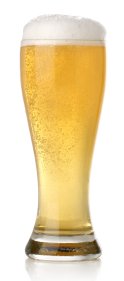
The third group of beers include pale, bitter beers, such as India Pale Ales. These also tend to do well when paired with chocolate…
India Pale Ale was created in the 1820’s for the voyages between England and India. The three month voyage would have to cross the equator twice. So not only was the journey long, but it was also quite warm. Since time and high temperatures are bad for beer preservation, typical beers sent to India arrived in very poor condition.
The Pale Ales however were brewed to last up to a couple years. First, the beers are higher in alcohol, a natural preservative. The higher the alcohol content, the longer beer will survive. So the beer is made with a lot of barley malt so the increased starches become sugars and then ferment into alcohol.
Second, more hops are used. Hops, the flowering cone on the hop plant, are also a natural preservative. They make the beer bitter and impart a floral aroma. The more hops you use, the longer the beer will survive, but it will also become more bitter.
With these two factors combined, the beer could better survive the long, warm voyages. Strong, malty, alcoholic and bitter are ways to describe this style. Such beers tend to pair well with malt-flavor truffles, gourmet malt balls, and even a variety of chocolate and nut combinations. The malty flavors pair well together even though the bitterness of the beer and sweetness of the malt are opposites. This creates a contrast that works quite nice.
Pairing chocolate and beer is easier than pairing chocolate and wine, and the outcomes of the pairings are more predictable with beer than they are with wine. Try it for yourself!
Sue Langstaff, a member of the Primal Chocolate Club, has contributed this series about chocolate and beer pairing. Her company Applied Sensory, LLC offers analytical sensory services for the wine, brewing, and food industries.
Categories: chocolate education, chocolate pairings
Tags: beer, chocolate lessons, tasting
In the opening post of this series I mentioned that there are three categories of beer that pair well with chocolates.
A second group of beers are the Belgian-style ales…
These beers are typically amber to brown in color, with high alcohol content (often greater than 8%) and are usually quite fruity in their aroma. Candy sugar (like a hard rock candy) may be added to the barley malt to increase the alcohol level without darkening the color or making it too malty.
The beer style is flavorful, yet smooth. The yeast used in these Belgian-style ales has a lot of underlying fruit tones, especially among the Trappist-style dubbels (doubles). As a result you might notice caramel, layers of banana, apple, apricot and peach, with cinnamon, nutmeg, or clove spices.
Fruit-flavored Belgian Lambic beers pair well with 60%+ cacao dark chocolate. The tartness of these fruity beers pairs nicely with the not-too-bitter dark chocolate. For an extra wow factor, combine any berry-flavored truffle or chocolate bar with dried berries and amber ale.
Amber ales are made from barley malt that, in some cases, is called “caramel malt.” This malt doesn’t really taste like caramel, but it does have an inherent sweetness and can give a nutty flavor.
Sue Langstaff, a member of the Primal Chocolate Club, has contributed this series about chocolate and beer pairing. Her company Applied Sensory, LLC offers analytical sensory services for the wine, brewing, and food industries.
Categories: chocolate education, chocolate pairings
Tags: beer, chocolate lessons, tasting
In the opening post of this series I mentioned that there are three categories of beer that pair well with chocolates.
The first group for pairing includes dark beers such as porters and stouts…
These beers are made using a good deal of roasted or burnt barley malt. In fact, one of the burnt barley malts is even called “chocolate malt.” It doesn’t really have any chocolate in it, but rather the malt has been roasted or kilned until it acquires more of a chocolaty color.
“Chocolate stout” is a name brewers will sometimes give to certain stouts that have a noticeable dark chocolate flavor through the use of chocolate malt. In some cases, to give a real chocolate flavor, the beers are brewed with a small amount of actual chocolate; this can impart a powdered cocoa flavor or a creamy, dark, bittersweet chocolate flavor.
Brewers will also use a good deal of pale malt and some caramel malt in making porters and stouts. These beers provide roasted, toasted, caramel and coffee-like flavors that match well with any chocolate, especially a caramel truffle, a chocolate turtle with caramel and nuts, or a caramel-infused dark milk chocolate bar.
Strong stouts, especially Imperial stouts, can provide perfect matches to chocolate desserts. Classic dry Irish stouts such as Guinness are not a good match because they don’t have the proper intensity. Another stout that doesn’t work well is a Cream Stout. It’s simply too sweet due to the addition of lactose, causing a conflict with the sweetness of the dessert. Instead, you should find a beer that offers a little break from the sweetness of the dessert.
Sue Langstaff, a member of the Primal Chocolate Club, has contributed this series about chocolate and beer pairing. Her company Applied Sensory, LLC offers analytical sensory services for the wine, brewing, and food industries.
Categories: chocolate education, chocolate pairings
Tags: beer, chocolate lessons, tasting
When most people think about pairing chocolate with an alcoholic beverage the product they usually consider is wine. However, there are components in wine which can make these pairings difficult and often unpredictable.
Tannins in red wine can make dark chocolates seem more bitter, and the acidity in wines often does not balance well with the chocolate. Because of the variation in wine styles, even within varietals, it’s often difficult to generalize about ideal wine and chocolate pairings.
This is not the case for beer!
Beer is every bit as complex as wine, perhaps more so. There are more than 60 recognized styles of beer. Styles of beer include stout, porter, India pale ale, bock, Oktoberfest, amber ale, lager, and many more.
While each style is unique, most brewers create beers within the style guidelines for that beer type. Beers within a style are recognizable cousins of each other, unlike wines within a wine varietal.
One of the things that makes a chocolate and beer tasting great is the fact that it is unusual, yet it works! Even people who say they don’t like beer, often do like chocolate so everyone can enjoy the event. Serious beer aficionados can find toasty, caramel, toffee, roasted, chocolate, coffee and fruity notes in beer. All these same notes can be found in chocolate.
Through years of experimentation, beer drinkers have discovered that a number of different beer styles can pair well with the unique flavors in, and sweetness of, chocolate.
Three general categories of beers usually do well when paired with a range of chocolate selections. We’ll take a look at each of these categories in upcoming posts.
Sue Langstaff, a member of the Primal Chocolate Club, has contributed this series about chocolate and beer pairing. Her company Applied Sensory, LLC offers analytical sensory services for the wine, brewing, and food industries.
Categories: chocolate education, chocolate pairings
Tags: beer, chocolate lessons, tasting
I was recently introduced to of Seattle Reign a coffee from North Star Fine Coffees. This morning I sipped a delicious brew of the coffee and quietly ate my chocolate donut, trying to get some work done.
At one point I was rolling the two around my mouth at the same time, coffee and chocolate, chocolate and coffee… Then I experienced a new flavor emerge as I swallowed.
This got me thinking about chocolate and coffee pairings!
I grabbed the first chocolate I could find in my drawer (we all have a secret stash of chocolate nearby, right?) and pulled out a mostly Ecuadorian blend of 73% cacao dark chocolate. I let my coffee cool down just a bit so that I could better taste its subtle flavors.
First, I enjoyed the aroma of the chocolate, identified some familiar flavors and then took a bite. I allowed the chocolate to coat my mouth and took in the smooth texture.
As the chocolate melted, the flavors really exploded. Ecuadorian chocolate has one of my favorite flavor profiles. It is fruity, with a hint of nut, and the finish is intensely chocolate and astringent on the tongue.
Next, I smelled the coffee and identified as many flavors as I could just before taking a sip. Seattle Reign is a gem of a coffee with rich flavors of roasted chocolate, mixed with mild earthy and nutty notes.
The chocolate and coffee blended very well and introduced me to a new level of flavor complexity. I really enjoyed this pairing.
Since I am not as familiar with the flavor profiles of coffees as I am with chocolates, I will need to do some more research and some more pairings. That means spending more mornings drinking coffee and eating chocolate.
Oh darn.
Categories: chocolate pairings, fine foods & beverages
Tags: chocolate and coffee, coffee, dark chocolate, tasting
The 2010 Winter Olympic Games begin February 12, 2010 in Vancouver, Canada. But what, you may ask, does this have to do with cheesecake?
Well, thanks for asking. Cheesecake is believed to have originated in ancient Greece and was served to the athletes during the first Olympic Games held in 776 B.C.
In 1872, America dairyman William Lawrence, is credited with inventing modern day cream cheese. He accidentally created it when he tried to reproduce a French cheese called Neufchatel.
William Lawrence started selling his new invention and called it PHILADELPHIA Brand Cream Cheese. Today, cream cheese is by far the most popular cheese used to make cheesecakes.
I recently enjoyed eating one of my favorite cheesecakes; brownie marble cheesecake. During this most enjoyable experience, I “accidentally” stumbled upon something spectacular. I had a sip of a Pinot Grigio as I took a bite of my cheesecake slice and Bam! The cheesecake/Pinot Grigio pairing was amazingly delicious.
I recommend you celebrate the Winter Olympics with a cheesecake and a Pinot Grigio. Raise a toast to ancient Greece and accidental inventions!
Categories: chocolate pairings
Tags: cheese, chocolate dessert, tasting, wine
Some people compare a fine chocolate to a fine wine. I do too. How about you? If so, isn’t it about time you know what to “look for” and how to “taste” fine chocolate?
The Aroma
Smell the chocolate. Concentrate on the intensity of the aroma and the many different scents you can identify. Some of the most common scents in chocolate are vanilla, honey, milk, fruit, spice, and roasted nut.
If you have trouble smelling something, gently put your finger on the surface and melt a small bit of chocolate to release the aroma and try again.
The Appearance
Look at the chocolate color and shine. The common colors of chocolate include a range of hues in browns and reds. If you see a grayish or whitish layer on the surface, you have detected something called “bloom.”
Bloom is either sugar or cocoa butter that sits on the surface of the chocolate. This off-color is undesirable, but not dangerous. Bloomed chocolate is not chocolate at its best.
A properly prepared chocolate bar should have a glossy surface or nice sheen. A dull or flat finish indicates that a poor technique was used in solidifying, or tempering, the chocolate. A dull looking chocolate is not chocolate at its best.
The Sound
Listen to the chocolate. Break the chocolate and hear the loud, crisp, “snap!” The sound of the snap indicates the quality of the temper.
The Feel
Chew a piece of chocolate. Pay attention to how it feels in your mouth. It should feel smooth not gritty. Also pay attention to how it melts in your mouth. As a piece of chocolate melts in your mouth, different flavors will “come off” at different times. There is the initial flavor, the middle flavor, and the finish.
The Flavors
Eat the chocolate. The first sensations will probably involve sweetness and the intensity of chocolate flavor. Most of the fruity, nutty, and/or spicy notes come off somewhere in the middle. The final flavors could be chocolate or dairy notes and there should be no unpleasant aftertastes.
Categories: chocolate education
Tags: aromas, flavors, tasting
There’s a new candy bar in town! And, she’s looking for some steamy romance…
I’m talking about the new Fling bar, the first new candybar brand from Mars in more than 20 years, which proclaims to be “naughty, but not that naughty.”
OK, before I get into the steamy details, let me back up a bit. First of all, Fling may not actually be in your town yet. She’s been let loose, and is running wild in California, but those of us in other states cannot yet run to the grocery store and expect to see it on the shelves.
When the staff at Chocolate University Online learned about it, we knew we’d have to try it and report on it. Fortunately Jeff found a website (www.flingchocolate.com) that would ship to our door.
Each individual candy bar, affectionately known as a finger, is only 80 calories. So if you can stop with just one your diet may remain intact. If you cannot stop with one, then the bar isn’t naughty, but you might be. Nothing a little extra exercise can’t cure though!
There are three flavors; dark chocolate, milk chocolate, and hazelnut. The packaging describes them as “delicate truffle on a subtle crisp layer enrobed in shimmering chocolate.”
Let’s first look at some of my general thoughts, then I’ll further comment on each flavor independently.
Overall the Fling bars are a tasty snack. The sweetness, the richness, and even the crunch are satisfying. As a chocolate lover I found the chocolate impact to be a bit weaker than I would have liked. I wanted more of a lingering chocolate flavor, prefering that over the lingering sweetness.
The chocolate covering each bar, as well as the truffle filling are quite smooth, a nice mouth feel. Contributing to the smoothness is a low melt point. These bars readily melt in your fingers so I’d recommend keeping each bar in the foil as you eat it.
I also found that the crunchy meringue, unlike a cookie, tended to get stuck in my teeth. That helps extend the lasting sweetness so you might actually consider that good news. For me it was kind of annoying.
Now let’s look at the specific flavors:
Milk Chocolate
The chocolate flavor is present but it has low impact and fades quickly. The lingering sweetness is reminiscent of honey.
This bar does not satisfy my need for chocolate flavor complexity. I would suggest that it is best to satisfy a quick sugar fix that tastes like chocolate.
Dark Chocolate
The packaging mentioned shimmering chocolate. This was more noticeable on the dark chocolate bar, which really did have a shimmer or even sparkle to it. Also more noticeable was the chocolate impact. Compared to the other two flavors this one makes a chocolate statement.
Again, this bar is soft, smooth, even creamy. There is a certain butteriness in the flavor that lingers a bit longer than expected. A bitter note also lingers. That is good since it reinforces the dark chocolate flavor that this bar is supposed to have.
Hazelnut
I love the hazelnut flavor so I am biased toward this particular finger. Although it uses hazelnut flavor, as opposed to actual hazelnut, it still has a good nuttiness and the hazelnut seems to cut the sweetness. (Jeff disagrees with me on this point as he thinks this is the sweetest tasting of the three bars.)
There are hints of coffee flavors, but barely any chocolate impact in this bar. So again I think it really needs more chocolate flavor to satisfy a chocolate urge. Yet this one is my favorite of the three simply because it doesn’t seem quite as sweet.
Categories: chocolate review
Tags: grocery product, tasting
For dessert tonight Bryn’s mother made Rice Crispy bars. She melted some Nestle Tollhouse chocolate chips, spread it on the bars, and then put another layer of bar on top. So it was kind of a layer cake, the layers being rice crispy bars and the frosting being semisweet chocolate.
It’s a rather simple dessert, yet quite tasty. But here’s the best part – we had a wine that worked real well with the chocolate. It was a Shiraz from Layer Cake. So with our pseudo- layer cake dessert we drank a Layer Cake wine. There’s something quite appropriate about this.
OK, that’s all interesting, but the reality is that this particular Shiraz combined well with the sweetness of the bars and the chocolate notes, leaving an impression that said, “give me more!” I think I had three bars when my mother-in-law said, “doesn’t anyone want to eat any of these?”
Yikes, if I ate any more, I wouldn’t be able to drive home.
Categories: chocolate review
Tags: tasting, wine
Cruising around the internet looking for interesting news I ran into a headline of an article written by etiquette expert Jodi R.R. Smith. It read, “Diet no excuse for spitting out chewed chocolate.”
Yikes! Who would spit out chocolate? I read on to discover that upon taking a piece of chocolate into her mouth, the woman in question chewed once and then spit out the chocolate into her napkin, apparently deciding in that moment that the chocolate, if fully consumed, would not be worth the calories.
Jodi, the Mannersmith, went on to explain, “For treats and sweets, you should taste them first and decide if they are worthy…” Then if they pass your taste test, go ahead and eat it, but if they do not, you can kindly refuse and not gross anyone out!
That’s the etiquette perspective, assuming you’re eating chocolates in the presence of other people. But what if your chocolate addiction leads you to sneaking pieces of chocolate when you’re alone? (While I highly recommend the social aspect of shared chocolate enjoyment, I understand that some people do crave chocolate especially when they’re alone.)
You probably have your chocolate comfort food, that particular candybar that satisfies anytime. You know you’d never even be tempted to spit that out. But at Chocolate University Online we urge people to move beyond their familiar comfort chocolates and explore the ever-widening array of chocolate options.
What if you have purchased an artisan chocolate or a single-origin bar and you have no idea what it’s going to taste like? Or, what if you’ve been given a box of chocolate candies, you know those mysterious boxes that don’t have a handy key to the mixed shapes within?
The Mannersmith’s advice is still good, at least in part. Take a small taste first following our suggested tasting guidelines. If you like it, great you’ve discovered something new! If you don’t like it, and you’re still alone (or in a small group who have agreed this is OK), then by all means spit it out! Get rid of it. Rinse your mouth. Grab a different piece of chocolate and start over.
My final recommendation is that you always end with a piece of chocolate that you really like. You want the lingering flavor notes to pleasantly stay with you. Of course if you’re with company, tasting an unpleasant mystery chocolate, with no other options, be polite with your first taste and then simply set the chocolate aside, unchewed!
If you’re interested in the original article that spurred this post, please see “Diet no Excuse” article.
Categories: chocolate education, chocolate in the news
Tags: tasting
Older Posts »
|