
Tag Archive: chocolate covered fruit
An Excellent Wine and Chocolate Pairing
September 11, 2010
My mom came for dinner last week and she 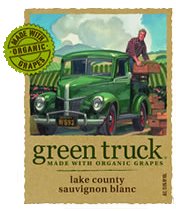 (as any properly trained mother should do) brought with her a bottle of wine. We enjoyed a remarkably delicious Green Truck Organic Sauvignon Blanc.
After dinner, I (as any properly trained daughter should do) brought out chocolate for dessert. I was in the mood for a Lindt Excellence Intense Orange Dark Chocolate bar. As I took a bite, I noticed I had a swallow of wine left in my glass and drank it. The chocolate was still in my mouth, and the result of this accidental pairing was, well, it was meant to be!
Read more
Orange Zest Seized My Chocolate
July 22, 2010
Recently, I was asked this question: “I love the taste of chocolate and orange but when I add orange zest to my coating it curdles. Why?”
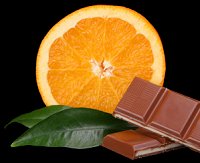 This presents an excellent technical lesson in working with chocolate.
The issue is moisture.
Read more
Chocolate Adventures in England – Jaffa Cakes
February 11, 2010
Tonight I find myself sitting in my sister's flat in London, England eating Jaffa Cakes and sipping Frangelico flavored coffee. I am visiting my sister and my brand new niece, only 2 days old.
What is Jaffa Cake?
The Jaffa Cake is a British favorite. The cake is a three layered treat about the size of a cookie. It is made with a bottom layer of sponge cake, a middle layer of orange flavored jelly, and a top layer of rich milk chocolate coating.
Read more
Chocolate Covered Strawberries
February 2, 2010
Have you ever cut corners while cooking? Ever used short cuts that the original recipe had you make from scratch?
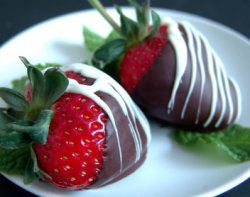 I have. And why not? Most often those “changes” don’t affect the final product and it saves lots of time. Yes, sometimes I even buy frosting in a can (shhh, don’t tell my kids!).
One thing I have learned from my experience working with chocolate is that there are some short cuts that work and some that don’t.
Read more
The Importance of Tempering Chocolate
August 31, 2009
I admit my mind works differently than that of other chocolate lovers. I am a scientist first, I guess, then a chocolate lover.
One day I was attending a local street festival and happened upon a vendor selling “Fresh Pineapple – Chocolate Covered!” Most people’s first reaction might be, “Yum!” but mine was more like, “Well, this is interesting. It is either a chocolate disaster in the making (there’s too much moisture in most fresh fruit to support a tempered chocolate) or a major discovery!”