
chocolate education
Mint Chocolate and Chocolate Mint
November 8, 2010
You say tah-may-toe, I say tah-mah-toe. Some say mint chocolate, and some say chocolate mint. Although often used interchangeably, there is a difference, technically speaking.
Mint chocolate is a variety of flavored chocolate, in this case, infused with mint flavoring. It can be used as a coating or as a stand alone chocolate bar. Since mint is added to dark, milk, and white chocolate, mint chocolate does not denote just one type of coating. Mint can be peppermint or spearmint or crème de menthe.
Read more
Terrific Tannins, Terrible Tannins
November 4, 2010
Tannins are astringent, bitter compounds found in plants. Tannins cause your mouth to feel dry and pucker up. The manipulation of tannin concentration plays an important role in aging of wine and ripening fruit.
Tannins are also important to the flavor development and health benefits in chocolate...
Chocolate liquor contains about 6% tannins, significantly contributing to the bitterness of chocolate. “Bitter” as a flavor descriptor is not always a bad thing. It is true that sometimes bitter can refer to negative characteristic coming from improper fermenting or roasting. But normal amounts of tannins intensify chocolate flavor, especially at the finish.
Read more
It’s All About the Crystals
November 2, 2010
As many of you chocolate lovers already know, the fat in chocolate is called cocoa butter. What you might not know is that cocoa butter has special characteristics that make chocolate a very unique food.
One of those characteristics is that cocoa butter can crystallize in six different forms.
I've written before about tempering chocolate. What tempering does for chocolate is ensure that the cocoa butter solidifies into the best form of crystal.
Read more
Raw Chocolate
October 21, 2010
Raw foodists believe in eating uncooked, unprocessed, and often organic foods as a large percentage of their diet. Sometimes called superfoods, raw foods are often vegetables and plant derived products, but not always (raw milk, for example).
Raw cacao, cocoa powder, and chocolate are considered superfoods because they deliver great amounts of antioxidants and other essentials like calcium, iron, carotene, thiamine, riboflavin, and magnesium. In general, superfoods are rich in phytochemicals which are known for their disease fighting properties.
Raw cacao nibs are not roasted but still have a good crunch. Raw chocolate is going to be a very different experience compared to a typical chocolate bar. Texturally, raw chocolate tends to be grainy and fudgy and usually there is no snap. Raw chocolate does not contain sugar (sucrose) or milk so the flavor is remarkably intense and fairly bitter.
Read more
Facts About Cocoa Butter
September 30, 2010
One of the reasons we love chocolate so much is because of the way it melts in our mouth. The velvety, luxurious melting characteristics of chocolate come from the cocoa butter.
When cacao beans are ground and pressed, cocoa butter and cocoa powder are separated. While both cocoa butter and cocoa solids are essential to making chocolate, the cocoa butter is responsible for the smooth mouth-feel and chocolatey flavor release.
The two most unique qualities of cocoa butter are its melt point and its ability to contract.
Read more
Dogs and Chocolate Don’t Mix!
September 23, 2010
If you take a bite of chocolate, you’ll want more because it tastes so good. Your dog will do the same thing. Dogs love the taste of chocolate. But here’s the thing, chocolate doesn’t love dogs. The problem is, if your dog eats too much chocolate, he/she could be ingesting a lethal dose of poison.
Why is chocolate lethal for dogs?
Theobromine is a naturally occurring stimulant, similar to caffeine, found in chocolate. It is the theobromine that is so dangerous. It attacks a dog’s nervous system and heart.
Read more
Breyers All Natural Chocolate Ice Cream
September 20, 2010
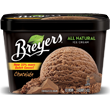 I noticed something interested the other day while grocery shopping. Breyers has changed its chocolate ice cream. It says so right there on the package, “Now with 33% more real Dutch Cocoa!”
I was intrigued. My scientific self pondered what kind of formulation adjustments had to be made to compensate for the increase in pH from the cocoa (“dutch” means processed with alkali). Don’t laugh, my brain works differently.
I have mentioned in past blog posts why it is necessary to add a Dutch-Processed or Alkalized Processed cocoa powder to dairy products like ice cream and milk. Dutch cocoa is treated with an alkali to neutralize its acids. Acidity has a negative effect on diary – it causes it to curdle.
Read more
Chocolate Label – What Does It Mean?
September 16, 2010
I am a label reader. In fact, I judiciously read labels because it is a matter of life or death for my daughter who has serious food allergies. But just because I read labels doesn’t mean I understand everything on them!
Luckily, I have experience understanding what’s on a chocolate label. When I was developing product for a large chocolate manufacturer, part of my job was to create the labels that went on our chocolates.
So, what exactly are things like “chocolate liquor,” “cocoa butter,” “soya lecithin,” or “butter fat” (by the way, isn’t butter fat a bit redundant)?
Read more
Does Chocolate Give You Acne?
September 9, 2010
How did a link between chocolate and pimples come to be? From what I can tell by reading some of the history behind chocolate health myths is that people assumed that acne was caused by eating too much fat and since chocolate has a high fat content, chocolate caused acne.
While I find this sort of logic laughable, plenty of 1950’s dermatology books put it in print as fact.
Over the years, many foods have been blamed for certain ailments and afflictions. Chocolate has been singled out to cause such things as tooth decay, acne, obesity, and depression. But chocolate by itself doesn’t cause these problems. No single food does.
Read more