
What Growing Cacao at the Foot of a Volcano Taught Us About Chocolate
November 24, 2026
When people picture a cacao farm, they usually imagine flat, steamy lowlands. Ours sits at the base of an active volcano, and that single geographic fact changes almost everything about the chocolate that eventually ends up in the wrapper.
Finca Blue Valley is planted in the shadow of the Tenorio Volcano in Guanacaste, Costa Rica. We did not choose this location for the scenery, although it does not hurt. We chose it because volcanic ground does something to cacao that ordinary farmland cannot replicate, and understanding why has taught us more about chocolate than anything else in our seven years of farming it.
Soil Is Flavor, Not Just Dirt
Cacao is one of the most terroir-sensitive crops in the world, more like wine grapes than most people realize. The tree pulls minerals out of the ground and those minerals show up later as flavor notes in the finished bar: brightness, earthiness, the particular kind of fruitiness a judge might call "red fruit" versus "dried fruit."
Volcanic soil is young, mineral-rich, and still breaking down from the rock it came from. That gives our trees access to nutrients a decades-old depleted plantation soil simply does not have anymore.
It is also part of why cacao grown in volcanic regions of Costa Rica tends to carry a lower heavy-metal burden than cacao grown in some other parts of Latin America, a detail that matters more every year as international buyers tighten cadmium testing on chocolate imports.
None of that is marketing. It is agronomy, and it is the first thing we tell every visitor who takes our farm tour before they taste a single bean.
Bean to Bar Means Every Single Step, On the Same Hillside
A lot of chocolate companies buy fermented, dried beans from a broker and call themselves "bean to bar" because they handle the roasting onward. We do not have that luxury, and honestly we would not want it. Every stage happens on our own farm:
- Harvest - pods are cut by hand at peak ripeness, not by the calendar.
- Fermentation - beans ferment in wooden boxes for several days, which is where most of chocolate's actual flavor compounds are born. Raw cacao barely tastes like chocolate at all; fermentation is the step most people have never heard of and the one that matters most.
- Drying - sun-dried slowly, because rushed drying locks in harsh, acidic notes.
- Roasting, winnowing, and conching - small batches, tuned by taste rather than a fixed recipe, since every harvest behaves a little differently.
- Tempering and molding - by hand, in small runs.
Keeping the whole chain on one hillside means we can trace a flavor problem back to a specific fermentation box or a specific week of weather, something that is nearly impossible once beans change hands between a farm and a factory on another continent.
Why We Run on Sun Instead of Diesel
Costa Rica's grid runs on roughly 99% renewable electricity, and we lean into that rather than fighting it.
Combined with organic growing practices that avoid synthetic pesticides and fertilizers, the goal is a farm that supports the forest around it instead of slowly degrading it, since cacao is naturally an understory crop that wants shade trees and biodiversity around it, not a monoculture clearing.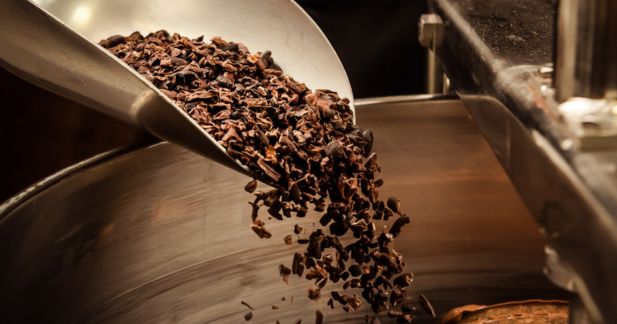
What It Adds Up To
Our current lineup is small on purpose: a 60% milk bar, a 70% dark bar, and a 78% dark bar finished with orange, all single-origin from this one farm.
Small batches mean we can actually stand behind the claim that every bar traces back to trees we can point to from the factory window. That focus has been recognized with international awards over the years, but the awards were never the goal. They are just confirmation that paying attention to volcanic soil, patient fermentation, and a shorter supply chain produces chocolate that tastes like somewhere specific, rather than like everywhere and nowhere at once.
If there is one thing we would want any home chocolate maker or curious chocolate lover to take from our experience, it is this: before you judge a chocolate by its percentage or its origin label, ask what happened to the beans in the first ten days after harvest. That window, more than anything that happens in a roaster, is where most chocolate earns or loses its flavor.
Don’t forget to follow our Facebook and Twitter accounts for more fun and interesting chocolatey ideas!
Most people eat chocolate. Few learn how to truly understand it.
Try the free 5-minute chocolate tasting experience and start noticing chocolate differently using any chocolate you already have at home.

- What Growing Cacao at the Foot of a Volcano Taught Us About Chocolate - November 24, 2026